

creating alt-ctrl games
AS FEMINIST ART PRACTICE
Can we change our political landscapes by diversifying the people who make the games we play?
• 6. July - 31. July
• Based in Berlin, Germany
• Four weeks, full-time
• Small class of participants
• One-month residency following program completion
• See summer program brochure
Artist / Student (Full Time)
€2225
Freelancer
€2395
Professional
€2525
APPLY BELOW!
course
description
Video games are the medium of the 21st century. While the indie movement enabled a lot of folks to go out and make their own ideas a video game reality, the field is still very limited to a privileged, homogeneous group. The aim of this program is to enable more people to share their points of view and tell their stories through the medium of game making.
In this course, you’ll learn skills for creating video games: from asset creation (visuals and sound), non-linear writing, self-building alternative controllers, to putting it all together inside of a game engine. We’ll approach ideation from a feminist perspective and learn from games of the past, while looking more closely at the systems of power we want to understand and explore through game-making, in order to dismantle them.
We are inherently playful creatures; it’s how we (and many other mammals) learn. Games teach us to make decisions within a set of rules, and to optimize for the best possible outcome: we want to win and not lose! Our brains love this kind of learning, yet capitalism has ruined its innocence through gamifying for profit, not fun. But that doesn’t lessen the impact that games have on our lives!
With the advent of video games, we’re witnessing the evolution of a medium from being a niche and nerdy past-time to THE mainstream medium of the 21st century. With audio-visual media support, game play helps us immerse ourselves into worlds like never before. We don’t just follow rules to win, we play to experience things that we would never experience in our day-to-day lives.
This ambitious program will use open tools for narrative game making. Video games are a great medium to tell stories and explore rules and systems, but making games can be quite challenging as it incorporates various types of media. At the same time, this opens doors to the very different kinds of game we can create!
Video games have already made their way into artistic practice, from multiplayer-performances, to in-game photography and filmmaking, to making your own personal art-game. This is what this course will focus on: using newfound skills to create games that tell your stories, to make others understand the set of rules that you want to see exposed.
In this program, we’ll also broaden the scope of video games through hardware: making controllers that stand out and serve our narrative purposes. We’ll look at alt.ctrl games and how they populate museums and art spaces and offer further immersion through tactile experiences, all while getting to know an international community of humans, sharing and learning together in the heart of Berlin, Mitte.
Following the program, participants with time and interest are invited to stay for a one-month residency in order to continue their work or begin something new.
in this program you’ll learn
toolkits and platforms for making experimental games
context and inspiration: what’s happening in experimental play communities today?
the modern play landscape from a variety of perspectives
hands-on individual and collaborative group work
opportunities for introspection and self-reflection with others
critical and conceptual development of projects for a group exhibition at programs end
Godot as 2D or 3D game engine
Krita digital painting program for asset creation
finding, editing and creating audio assets with Audacity an open source digital audio workstation (DAW)
sound for games
non-linear writing tools, such as Dialogic 2
electronics and simple circuitry for creating interactive artworks
basic programming using Arduino microcontrollers
a variety of guest speakers with varying perspectives and relevant practices
knowledge around professional development for artists and creatives
a local network of thoughtful humans through weekly potlucks and other events
an amazing network and community of like-minded creative beings and potential future collaborators
course outline
Week 1: Intros, Bonding, and Play :)
In this first week we’ll spend lots of time getting to know each other, sharing past works, discussing and playing games, learning about different types of narrative games, and starting to think about and prototype initial ideas for game play. We’ll also get started playing with simple electronics and see how technology can hinder or enhance how we design games.
Week 2: Tech and tools
In our second week, we’ll begin working with Godot as game engine and it’s plugins, while also getting started with 2D and 3D asset creation. Additionally, we’ll get a bit more into advanced electronics and prototyping.
Week 3: Story, Sound, and Materials
In this third week, we focus on non-linear writing and audio assets, plus materials and advanced prototyping and begin to bring all the elements we’ve learned thus far together to conceive of our final games.
Week 4: Exhibition preparations
The final week is dedicated to synthesis and presentation. With mentorship and technical support, participants finalize their projects, translating their experiments and ideas into cohesive pieces. The course culminates in the documentation and public presentation of works created during the program, showcasing the unique games developed with a public audience including discussions about our time together, and why diversity in games matters.
who is this program for?
This program is for digital artists, creative coders, game-modders, art-games communities, experience designers, immersive theatre writers, personal-games advocates, story-tellers, performance artists, street game enthusiasts, champions of the playful and anyone interested and passionate about learning to tell stories through game making.
It’s geared toward anyone involved in creative projects that wish to begin incorporating interactivity, electronics, sound, and experimental games and experiences into their work or practice.
The course approaches game-making from an introductory level. No prior experience is required.
about the after-program residency
After completion of the four-week full-time program, students are welcome to stay as resident artists at Make-Believe Studio, located on the 5th floor of ACUD, for one month. The idea of this residency is to encourage students to put newfound skills into practice or take time to learn something new independently. While there is no specific learning support during this residency period, you will have access to tools. Additionally, there is always a possibility to connect and continue learning with the members and other residents of the studio.
about the scholarship
SCHOLARSHIP APPLICATIONS CLOSED.
For each of our summer programs we are offering two artist-residency spots for local Berlin artists with a relevant art practice along the lines of course topics. This residency offers a free spot in this summer program, plus a one-month membership to Make-Believe Studio and the opportunity to present your work to the public at the end of the residency. In exchange, residents agree to offer a skill-sharing workshop for program participants during the initial four-week program.
Women, BIPOC, LGBTQIA+ and others from under-represented communities in the art and tech fields encouraged to apply!
instructor
program guests
lislis
Creative Technologist, Activist, Artist
lislis is a creative technologist, activist and artist based in Berlin. Coming from software development, lislis has a strong focus on tech infrastructure and open source software but also explores playful interactions, interfaces and video games. They give workshops and trainings around all things programming, digital self-defense and online privacy. In their artistic work and collaborations you can see complex (cyber-) feminist themes merge with simple mechanics in installative or digital forms.
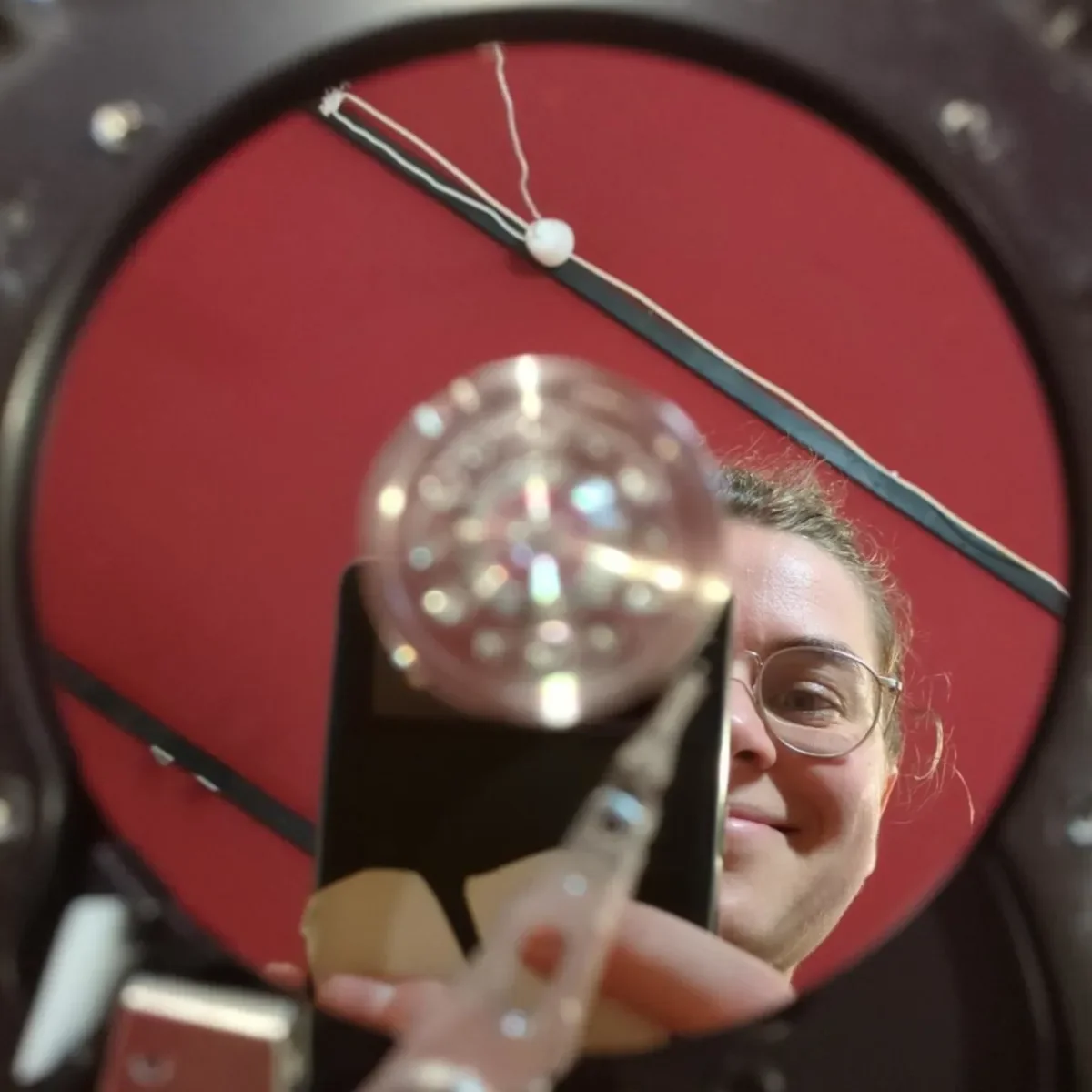
Chloé Desmoineaux
Alt+Ctrl artist and independent game curator
Chloé Desmoineaux [they/them] is based in Marseille, France and works as an Alt+Ctrl artist and independent game curator with a focus on technofeminist collective practices. Inspired by tactical media and hacking practices, they create interactive installations, hijack video games and reflect on alternative ways of conceiving screen-controller interaction. In 2022 they opened the transfeminist and voluntary hacklab FluidSpace, a weekly gathering where they explore technology through a transfeminist prism.
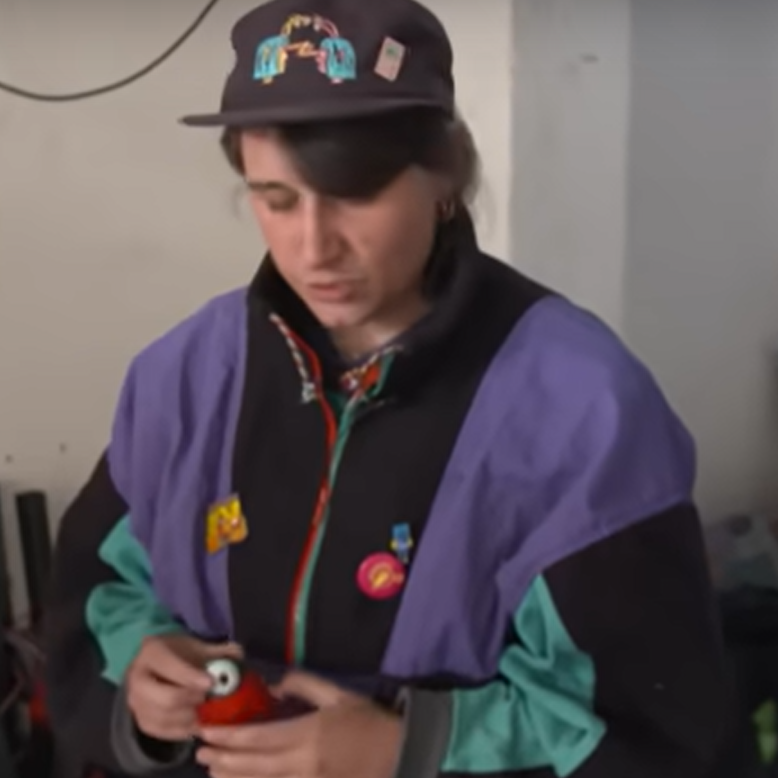
Gerard Roberts aka kidkanevil Producer, DJ
Growing up on a unique mix of street music and geek culture, kidkanevil aka Gerard Roberts has developed a distinctive and progressive sound over the years. A keen creative from an early age, his progression into music production was a natural one spurred on by an obsessive interest in hiphop, anime OSTs and computer game music. Equally at home making Kaiju sized beats as he is delicate electro acoustic soundscapes, Gerard has earned the praise and respect of numerous peers and tastemakers.
A Red Bull Music Academy alumni he continues to display an impressive work rate, now with five solo albums to his name plus collaborative project Kidsuke alongside visionary Japanese producer Daisuke Tanabe.
He also co-produced the epic Stateless album ‘Matilda’ for Ninja Tune, released an official beat tape tribute to American electronics pioneer Raymond Scott and produced a number of tracks for various UK rap giants including Ocean Wisdom, Foreign Beggars and up and comer Benny Mails - not to mention an almost non stop trail of remixes, mixes and productions. His DJ/live sets are amongst the best in the beat scene, having toured stages internationally from Sonar to Fabric to Low End Theory and back again - these abilities also landing him the honour of music director and playback engineer for the iconic M.I.A.’s live show.
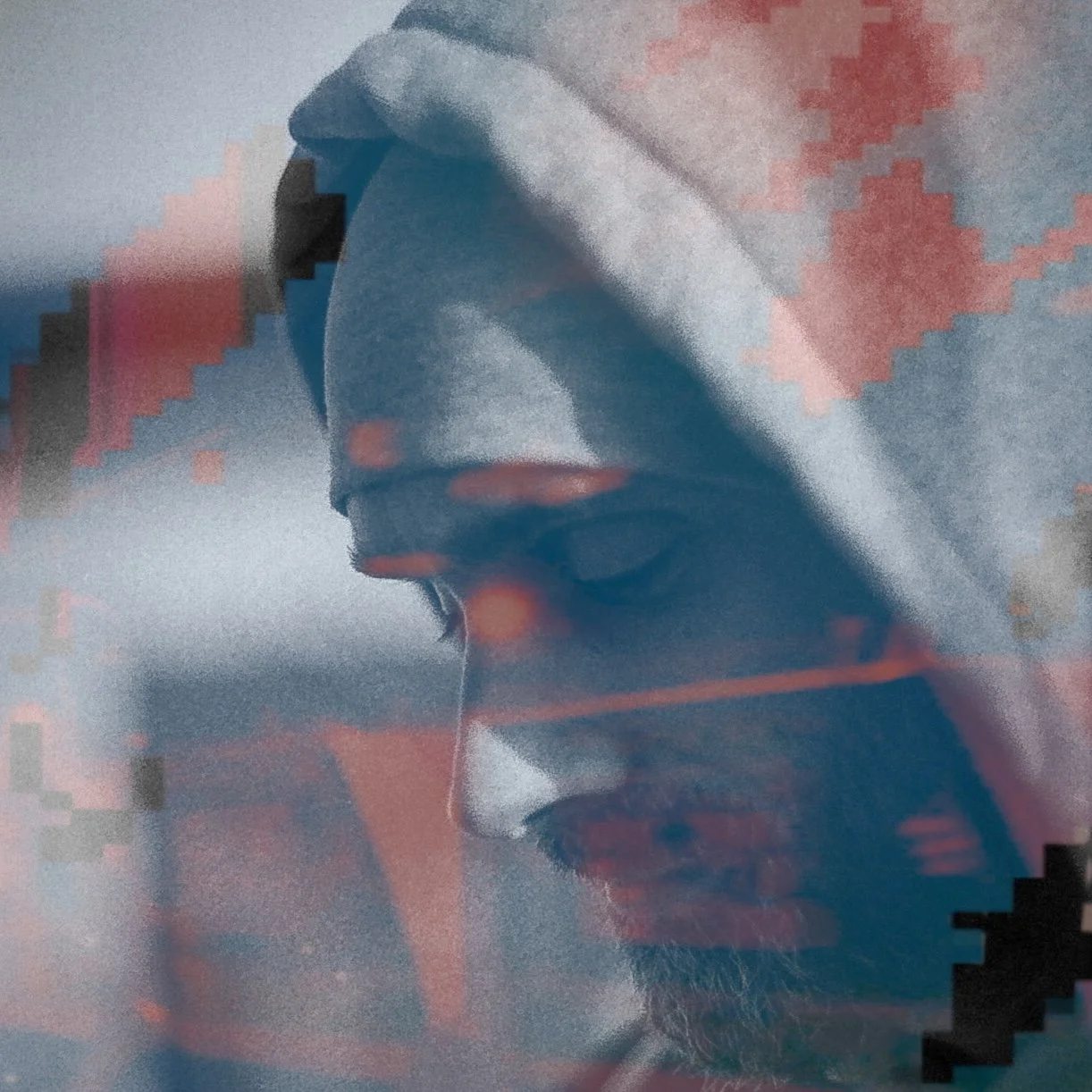
Photo credit: Malte Tarnow
Lorenzo Pilia
Curator, Event Producer
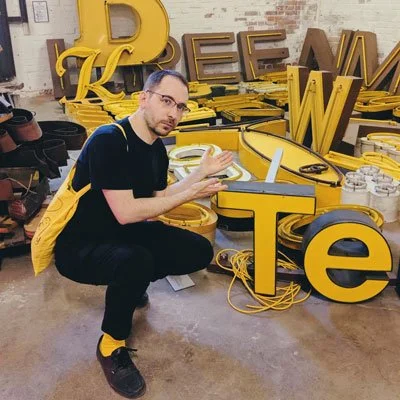
Lorenzo Pilia is a curator, host and event producer. He's primarily known as the founder and main organiser of Talk & Play, "an event about games for everyone" taking place since 2013 that contributed to the growth of the independent game scene in Berlin.
Lorenzo is also one of the people running Saftladen, Berlin’s first indie game collective and co-working space. He has previously worked as producer for the game studio Maschinen-Mensch and as programme manager for A MAZE. / Berlin festival.
program facilitator
Rachel Uwa
Artist, Educator
Rachel Uwa is an artist and educator with a background in audio engineering and visual effects. She founded the School of Machines, Making & Make-Believe in Berlin, Germany in 2014, an independent school hovering at the intersection of art, technology, design, and human connection. Rachel specializes in working with communities and through her work aims to make the technical sector more diverse and inclusive. She uses technology as a catalyst to encourage others to become more critically-minded, and more deeply engaged with their surroundings and with themselves.
Program Application Form
Thanks for your interest in our Summer 2026 Program, Creating Alt-Ctrl Games as Feminist Practice! We will accept participants on a rolling basis, so we encourage you to submit your applications early. This can be especially helpful if you’re coming from out of town! After applying, we will contact you within a few days to schedule an interview.
Women and persons from under-represented communities in the tech field highly encouraged to apply! No prior experience required. This is an emerging field. Not many people have experience in these areas. We hope to help change that!
If you are a working professional, please inquire with your company about covering the costs of your tuition as part of professional development. If you are currently a university student, consider asking your school administrators if they provide funding assistance. Several past participants have received financial support in these ways. It’s definitely worth to ask. Best of luck!
We are also happy to offer payment plan options. Get in touch for more details.